



-
 9 FebIn this edition of the POWF Newsletter, Dr. Emily Johnston and Dr. Lizzie Swarbrick share an update on Research in Action on Church Heritage (ReACH), a project addressing the urgent challenge of church closures across Scotland. The initiative has launched a symposium, established a Heritage Action Group, and is building a comprehensive database of Scotland's 860+ churches at risk. Dr Emily Johnston FSAScot is ReACH's Communities Officer. She joined the team in August 2025 after her PhD at the University of Edinburgh, specialising in community engagement in archaeology. Dr Lizzie Swarbrick is the Research Manager for ReACH and is an art and architectural historian, specialising in Scottish medieval churches.
 -
 20 JanKicking off 2026 as the sixth blog in our 'Joining the Dots' series, Dr. Scott McGibbon, Managing Director at Pvotal Consultancy, makes the case that skills policy is not an operational add-on but a delivery mechanism for achieving Scotland's net zero, housing, heritage, planning and placemaking ambitions. Exploring the connections between workforce development and policy objectives, Scott unpacks the fragmented skills landscape; from siloed workforce planning to procurement misalignment, and proposes concrete actions to turn policy signals into coordinated investment, procurement reform and regional training that secures Scotland's built environment for the long term.
 -
 13 JanAt the end of 2025 Built Environment Forum Scotland facilitated a focused workshop as part of the Scottish Castles Association's conference 'Scotland's Castles: Use Them or Lose Them', held at the Engine Shed in Stirling. The events, held on the on 9-10 October 2025, brought together stakeholders from across the heritage sector to explore how the planning system can effectively support the restoration and reuse of Scotland's historic castles and related buildings. The conference featured keynote speakers from Historic Environment Scotland, the National Trust for Scotland, the Landmark Trust, and the King's Foundation, alongside restorers, planners, conservation professionals and building owners. Following the conference, BEFS was invited to facilitate a workshop with a smaller group to build on the conference discussions and reach consensus on the key principles and practical steps for action. Participants identified several priority areas, including the need for consistent planning guidance, alongside signposting to accessible information for potential buyers, practical case study sharing, and front-loaded pre-application support for prospective owners. The workshop outcomes highlighted that what is needed is not new standardised policy, but better sharing of existing information, evidence-based solutions, and practical tools such as route maps and resource toolkits to help navigate the planning process. BEFS looks forward to working with the Scottish Castles Association on emerging recommendations and next steps. Read the full outcomes report here.
 -
 17 DecIn the 5th blog in our 'Joining the Dots' series, Hazel Johnson, Director at Built Environment Forum Scotland, reflects on a year of cross-sector collaboration and strategic advocacy. As we approach the 2026 Scottish Parliament elections, Hazel explores how the conversations held throughout the year have revealed encouraging common themes - from breaking down policy silos to embracing whole systems thinking. She examines how BEFS Manifesto 2026 positions the built environment sector as essential to achieving Scotland's climate and wellbeing targets, and looks ahead to the opportunities for collective action in the year to come.
 -
 12 NovIn this edition of the POWF Newsletter, Dr. Karen Mailley shares about the Accessing Websters project, which is funded by the NLHF and GCHT, and will include an oral history project, outreach events, and a new accessible database of known Alf Webster windows. Dr. Karen Mailley has an MA Joint (Hons) and an MLitt in Decorative Arts & Design History from the University of Glasgow. She helped to establish Scotland’s first online stained glass database.
 -
 16 OctBEFS has drawn together a call to action for the next Scottish Government. Our Manifesto outlines how essential investment is key to unlocking substantial value for public money and driving progress across vital public policy portfolios, including environmental sustainability, skills and economic development, housing, poverty, and health - unlocking the immense potential of our built heritage to deliver warmer homes, local employment, thriving town centres, and much more.
 -
 23 SepSally Pentecost from the Society of Antiquaries of Scotland undertook a pioneering advocacy work placement with BEFS from September to December 2024. This pilot programme aimed to upskill heritage professionals in advocacy techniques while testing a new model for sector capacity building. Here, Sally reflects on her experience learning advocacy skills, updating our Advocacy Toolkit, and exploring how heritage organisations can more effectively champion Scotland's built environment during challenging times.
 -
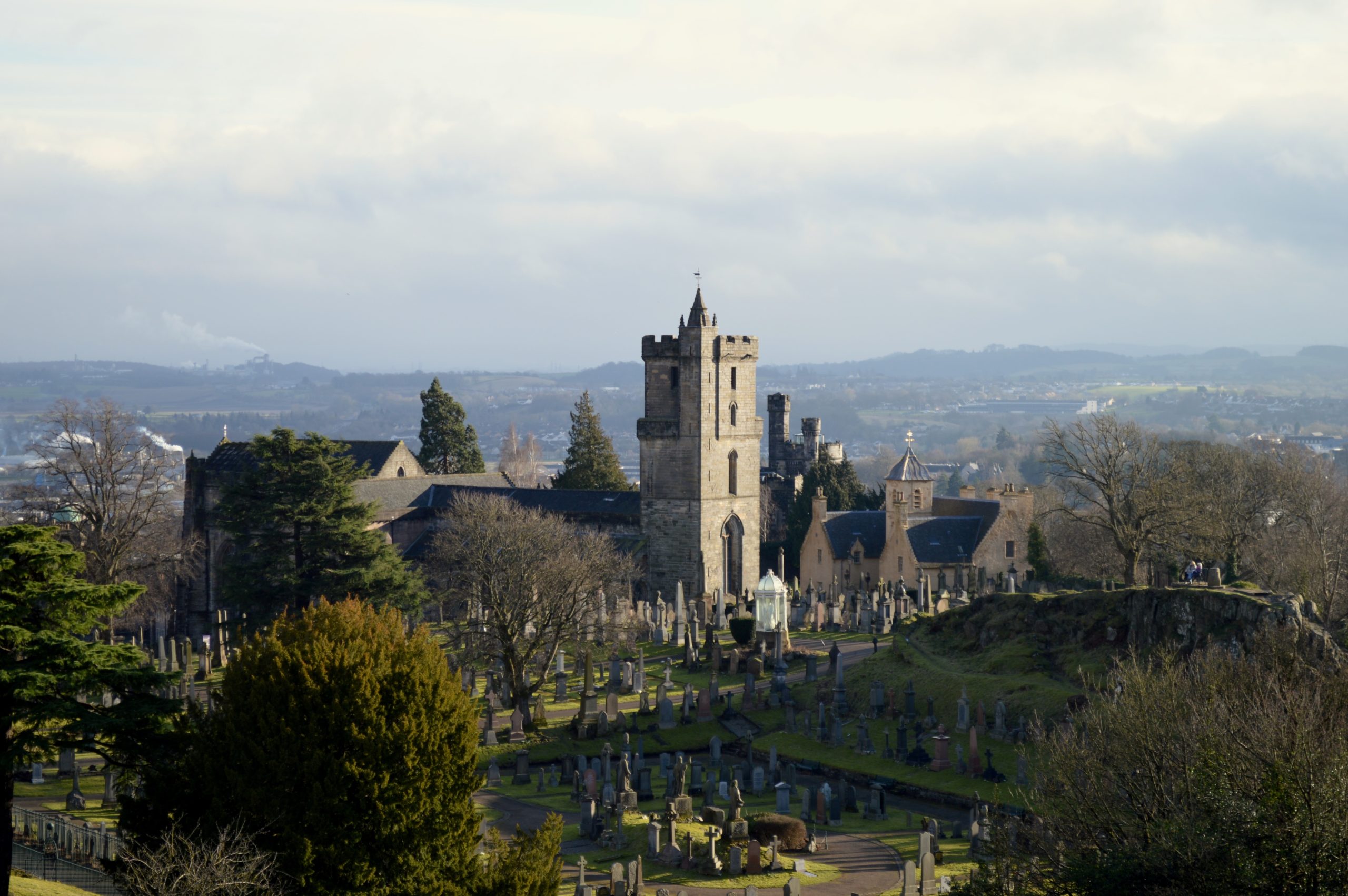 14 AugIn this edition of the POWF Newsletter, Dr. Lizzie Swarbrick shares the context and future ahead of the Finding Futures for Scotland’s Churches project. Lizzie is the Research Manager for the Finding Futures for Scotland’s Churches project run by the Society of Antiquaries of Scotland and Scotland’s Churches Trust.
 -
 3 JulIn the first edition of the Places of Worship Forum (POWF) Newsletter, Audrey Dunn, Churches Advisor at COSS (Community Ownership Support Services) introduces their New Futures Programme – Former places of Worship in Scotland a new initiative dedicated to supporting churches into community ownership. COSS is delivered by the Development Trusts Association Scotland and funded by the Scottish Government to support the sustainable transfer of predominantly public assets into community ownership.
 -
 26 JunIn the fourth of our 'Joining the Dots' series exploring the interconnected nature of policy agendas for Scotland's built environment, Dr Caroline Brown, Director for Scotland, Ireland and English Regions at the Royal Town Planning Institute (RTPI), explores how data integration could transform policy implementation and decision-making across Scotland's planning system.
 -
 7 MayIn the third of our 'Joining the Dots' series exploring the interconnected nature of policy agendas for Scotland's built environment, Mike Heffron, Chief Executive Officer at Under One Roof, discusses the role of good maintenance of Scotland's tenements as a key part of Scottish Net Zero goals, alongside a review of the Tenement Maintenance Working Group's advocacy.
 -
 15 AprHistoric Environment Scotland (HES) has awarded £574,075 in funding to the Built Environment Forum Scotland (BEFS) as part of the HES Partnership Fund. The Fund supports organisations working to promote, celebrate and enhance Scotland’s rich and diverse heritage.
 -
 2 AprIn the second of our 'Joining the Dots' series exploring the interconnected nature of policy agendas for Scotland's built environment, Jocelyne Fleming, Senior Policy & Public Affairs Officer – Scotland at the Chartered Institute of Building (CIOB), discusses how siloed approaches to policy hinder progress on Scotland's housing, retrofit, and net zero goals.
 -
3 MarThe policy landscape is crowded. How do we work together collectively to address the issues of the day? In the first of a new blog series, Built Environment Forum Scotland (BEFS) Director explores the interconnected nature of policy agendas for Scotland's built environment sector. How can strategic advocacy be amplified through joined-up thinking and cross-sector collaboration, towards legislation that delivers for our people and places?
-
 6 NovBEFS Director explores the current and very real impacts of faith owners divesting of significant portions of their estate and the implications for Scotland’s people and places; for the economy, net zero and climate targets, and wellbeing.
